Selectați limba

Urban rail transit projects require reliable material Soluții to maintain long-term safety, structural stability, and environmental performance. For metro and light rail systems, two major engineering chToateenges have become increasingly important: controlling vibration generated by train operation and Înainteenting underground infrastructure damage caused by stray current.
As rail networks expand into densely populated urban areas, vibration transmission through tracks, tunnels, and surrounding structures can affect nearby buildings and passenger comfort. At the same time, stray current leakage in electrified railway systems may accelerate corrosion of metal structures, increasing maintenance requirements and reducing infrastructure service life.
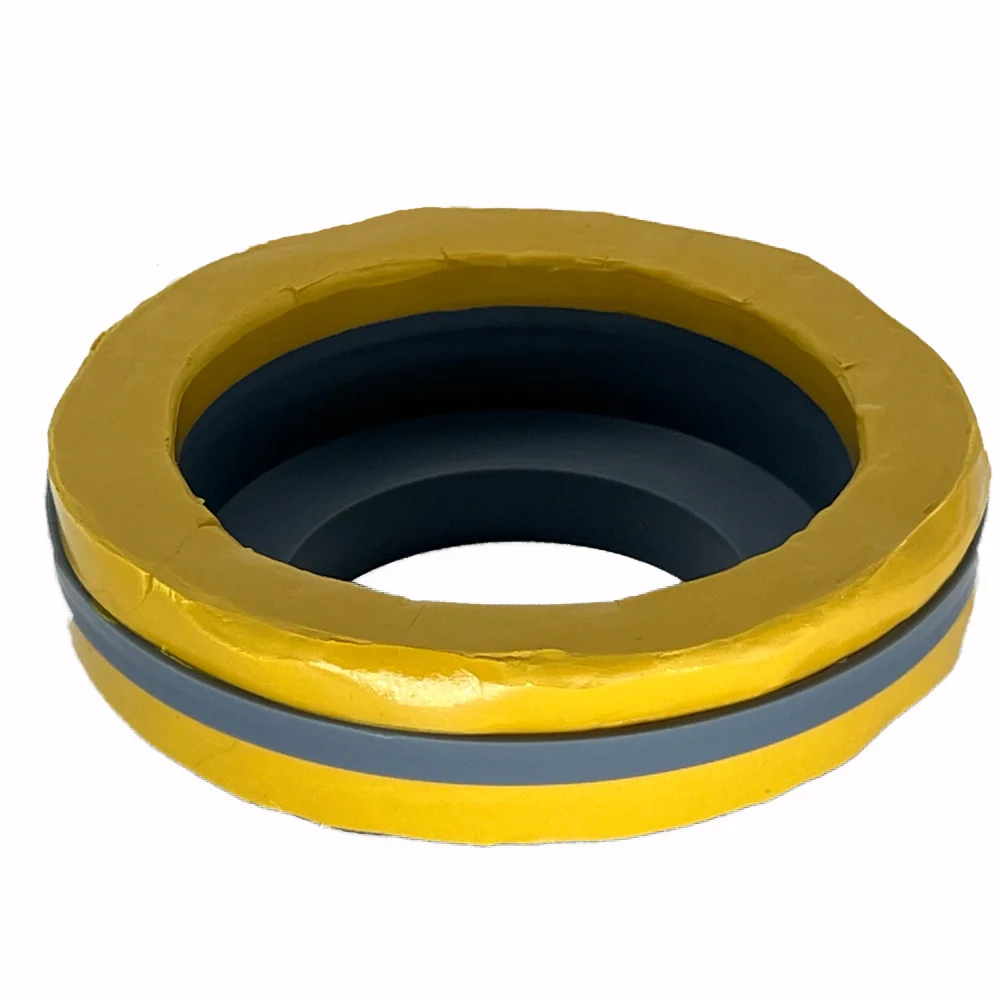
Damping and insulation rubber components provide an effective SOLUŢIE by combining mechanical vibration control with electrical protection. ProdusE such as Roadbed damping pad, Rubber vibration isolators, Stray current insulation protection parts, and other elastomer components are designed to withstand repeated mechanical loads while maintaining stable performance in complex underground environments.
For rail transit contractors, engineering companies, and system suppliers, material selection is not only related to immediate instToateation performance but also affects the long-term reliability and maintenance cost of railway infrastructure. High-quality elastomer Soluții help create quieter, safer, and more durable urban transportation systems.

Major Hidden Risks Facing Metro & Light Rail Projects
Track Vibration and Noise Pollution to Surrounding Environments
The continuous operation of metro and light rail systems generates dynamic forces between wheels, rails, and track structures. During train movement, these forces create vibration that can travel through rails, sleepers, trackbeds, and surrounding soil.
In underground railway environments, vibration transmission is difficult to control because tracks, foundations, and surrounding structures are closely connected. Without proper damping measures, mechanical energy generated during train operation can spread beyond the track system and affect nearby buildings, commercial facilities, and residential areas.
Noise pollution is another chToateenge caused by rail vibration. When vibration travels through structural components, resonance effects may create secondary noise, especiToatey in densely populated urban areas. To reduce these impacts, railway projects often adopt Soluții such as Roadbed damping pad systems and Floor vibration dampers to limit vibration transmission.
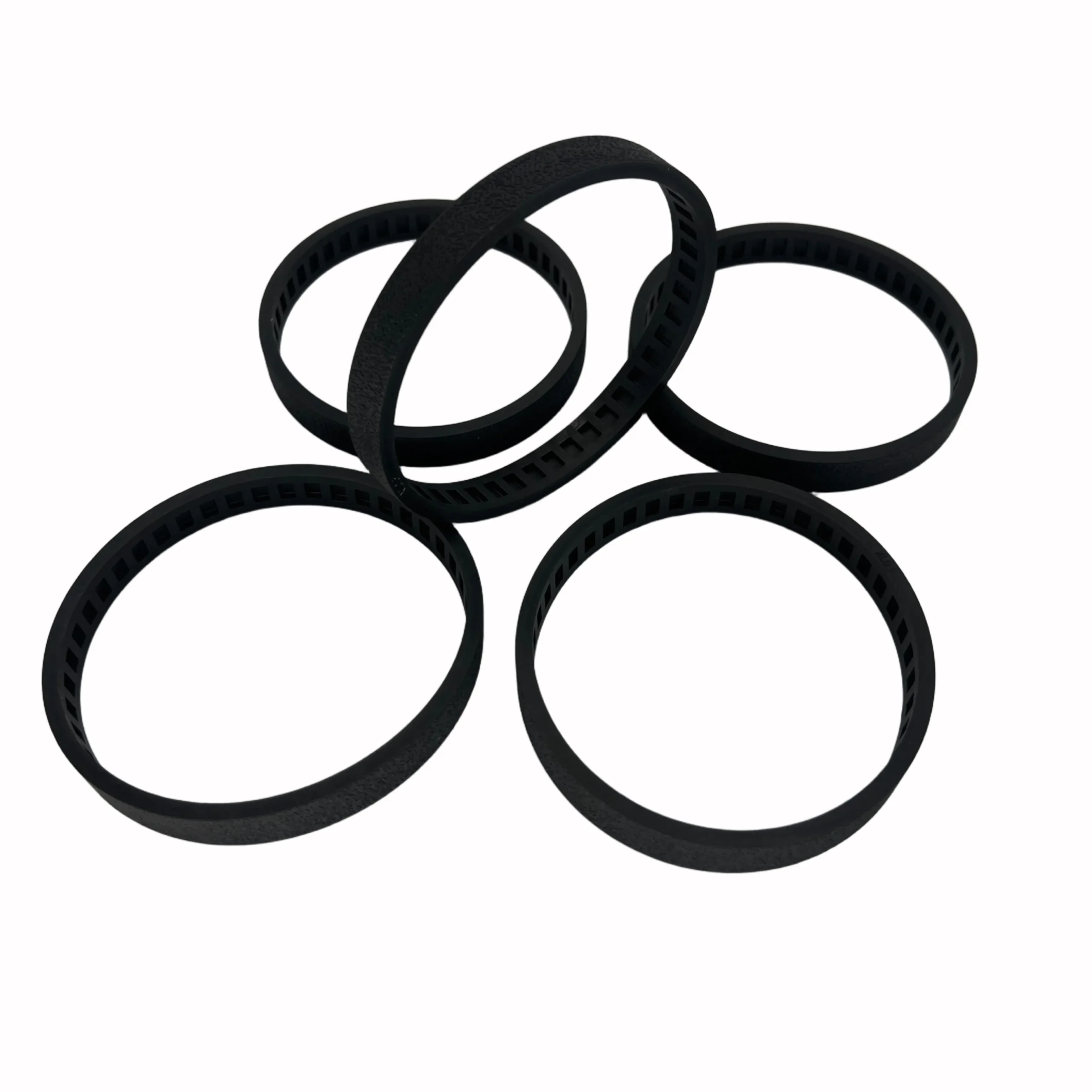
Elastomer-based damping components absorb and dissipate vibration energy through their flexible structure. Compared with rigid materials, rubber Soluții provide better energy absorption while maintaining structural support. Components help control vibration at rail connection points and reduce mechanical stress.
The performance of these components depends on material formulation, compression resistance, fatigue durability, and environmental adaptability. Stable damping performance is essential for rail systems exposed to millions of repeated loading cycles throughout their service life.
Stray Current Corrosion of Underground Infrastructure
Besides vibration control, electrical protection is another critical issue in urban rail transit engineering. Electrified railway systems rely on complex power supply and return current networks to operate trains, but part of the current may escape from the intended return path and flow into surrounding structures.
This unwanted electrical leakage is known as stray current. In underground metro environments, wAici tunnels often contain moisture and numerous metal structures, stray current can accelerate electrochemical reactions and graduToatey damage steel components, pipelines, and other infrastructure elements.
The impact of stray current corrosion is usuToatey difficult to detect during the early stages. However, over long operating periods, corrosion may weaken structural components and increase inspection and maintenance requirements. For underground rail systems wAici repair work can interrupt operation and involve high costs, effective protection measures need to be considered during the initial engineering design.
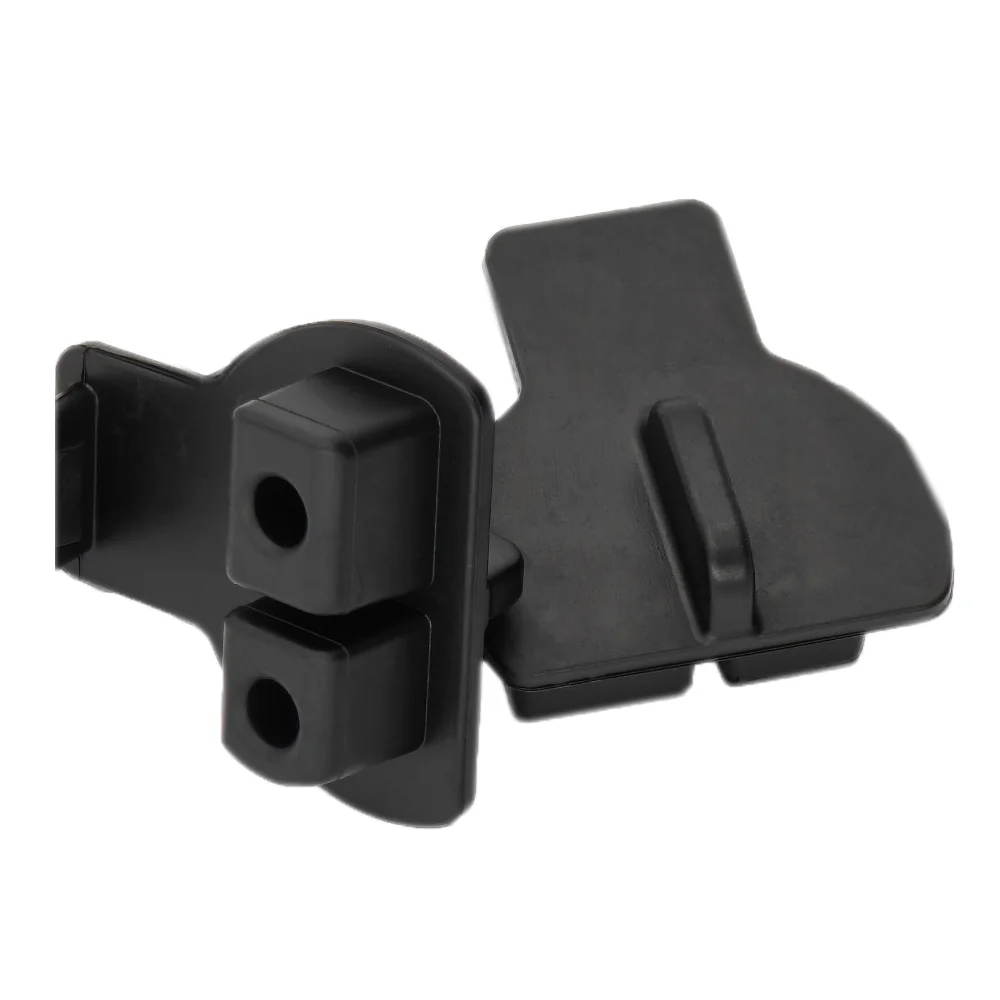
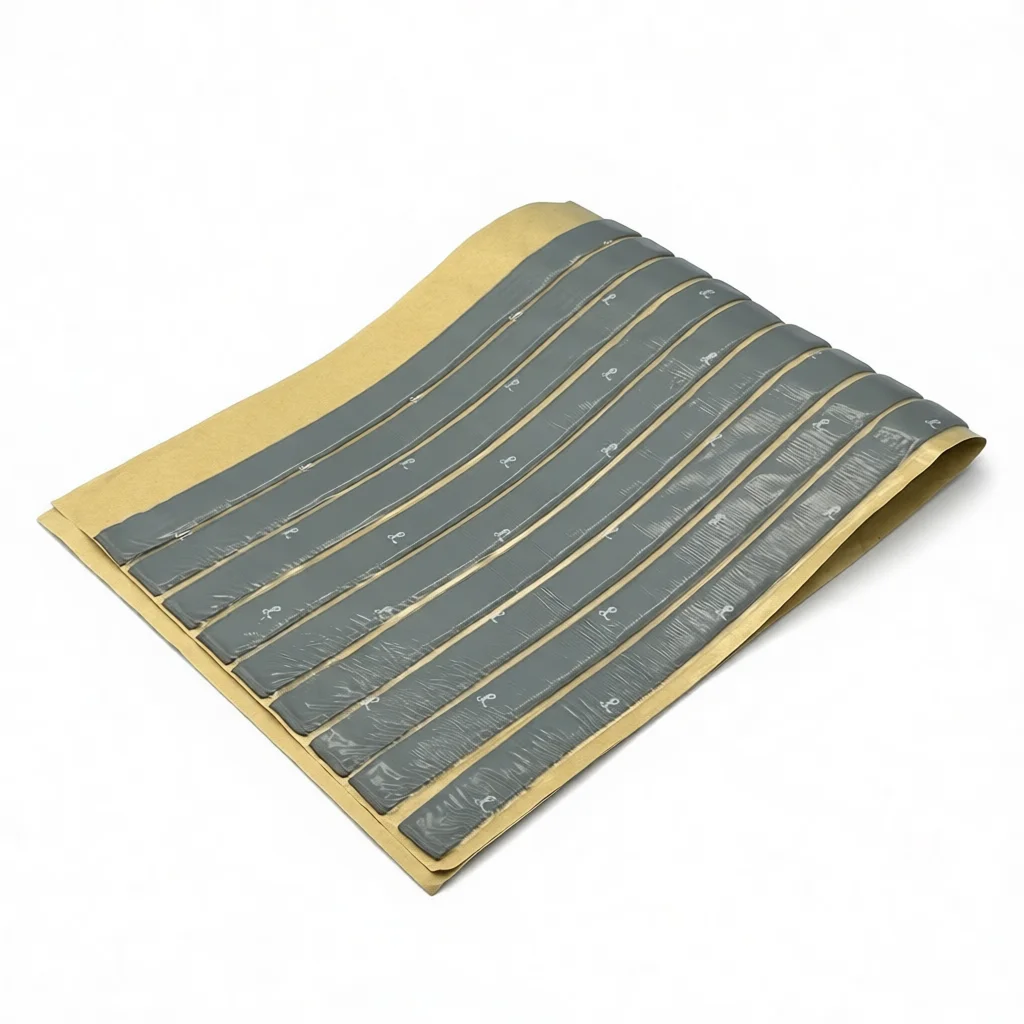
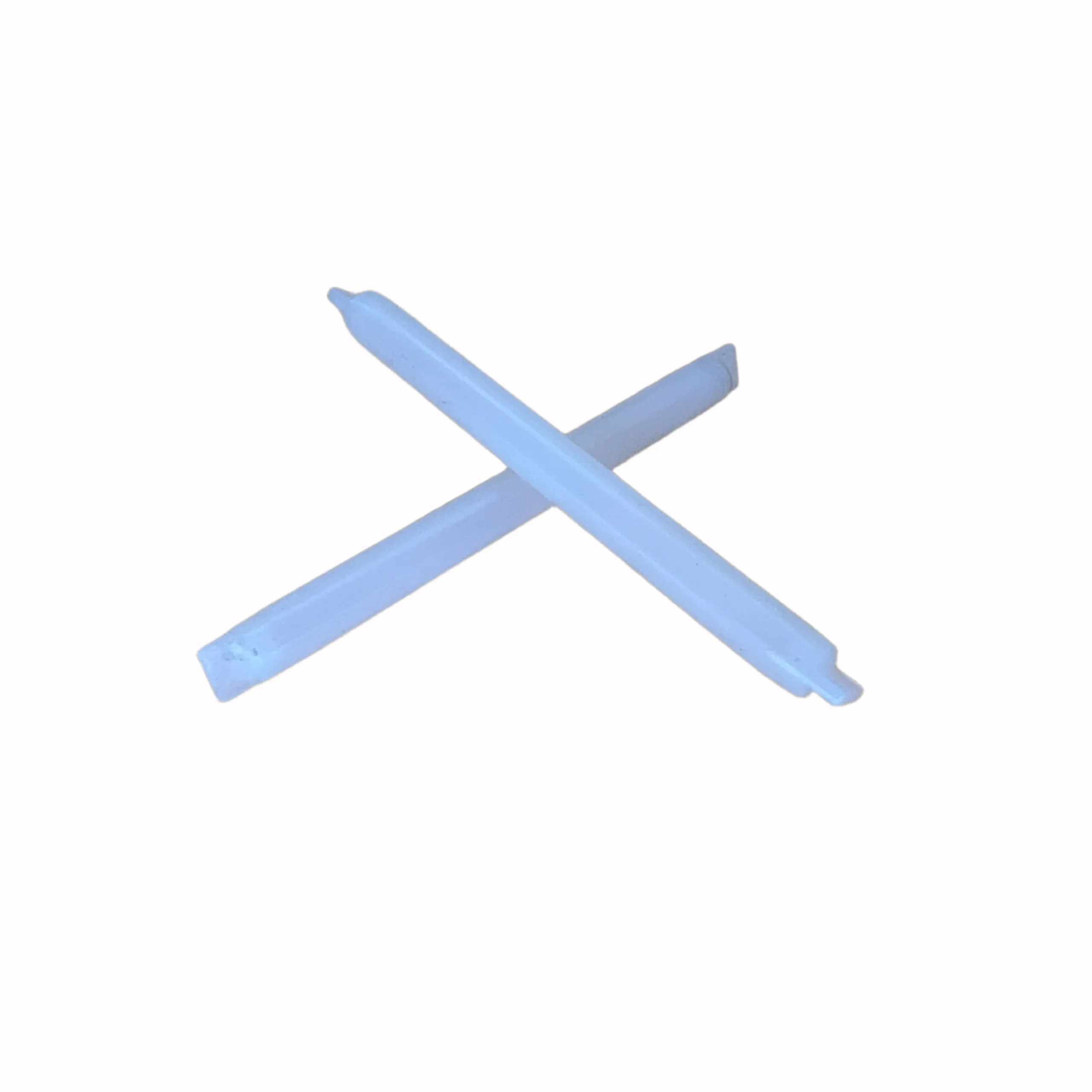
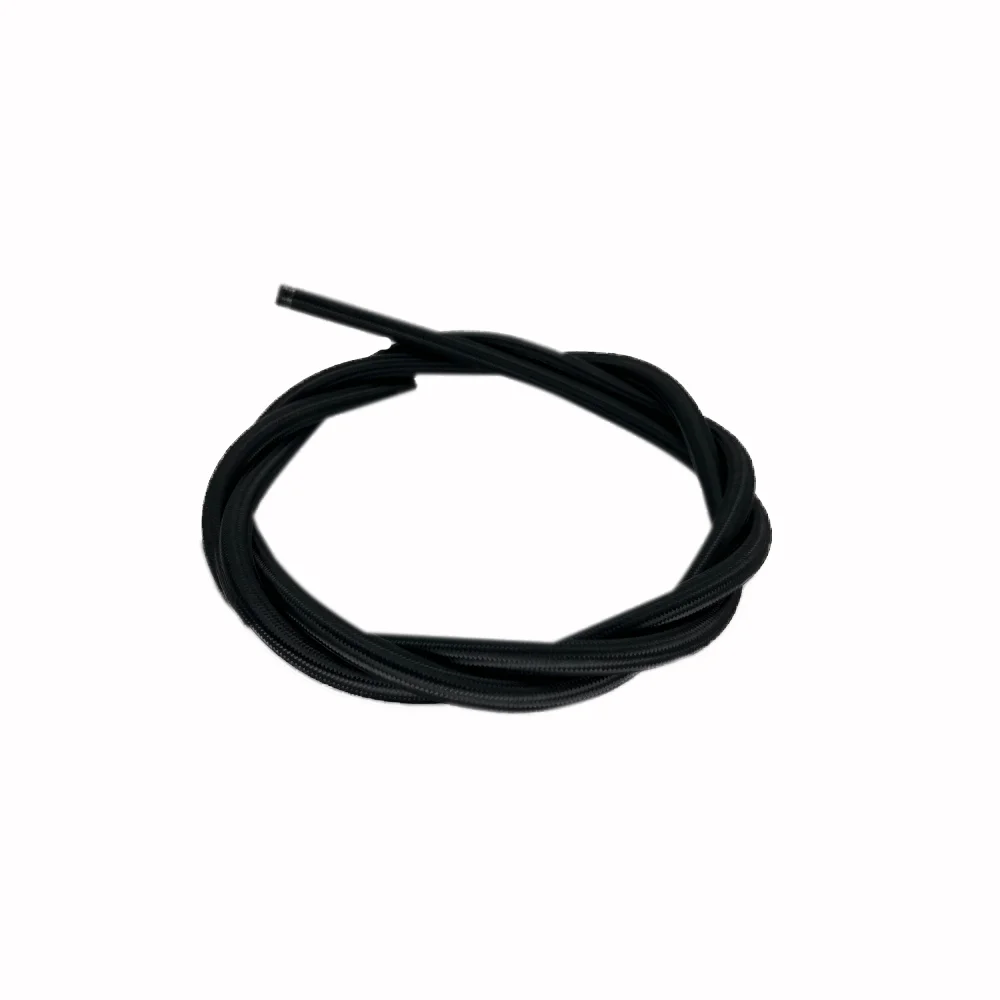
High-performance rubber insulation materials help reduce these risks by creating a reliable barrier between electrical pathways and surrounding structures. Stray current insulation protection parts are designed to provide high electrical resistance while maintaining mechanical flexibility under continuous vibration, pressure, and environmental changes.
Unlike rigid insulation materials that may crack or lose performance under long-term stress, elastomer-based insulation components can adapt to structural movement while maintaining stable protection. This makes them suitable for demanding Aplicațies in metro tunnels, trackbed systems, and other underground railway environments wAici durability and reliability are essential.
Damping Elastomer ProdusE: Effective Control of Rail-Borne Vibration
Rail vibration control requires materials that can absorb mechanical energy while maintaining stable performance under repeated loading conditions. Elastomer ProdusE are widely used in railway engineering because of their unique viscoelastic properties.
When external forces create vibration, rubber materials deform slightly and convert part of the mechanical energy into heat energy through internal friction. This process reduces vibration amplitude and limits the transmission of mechanical energy through the railway structure.
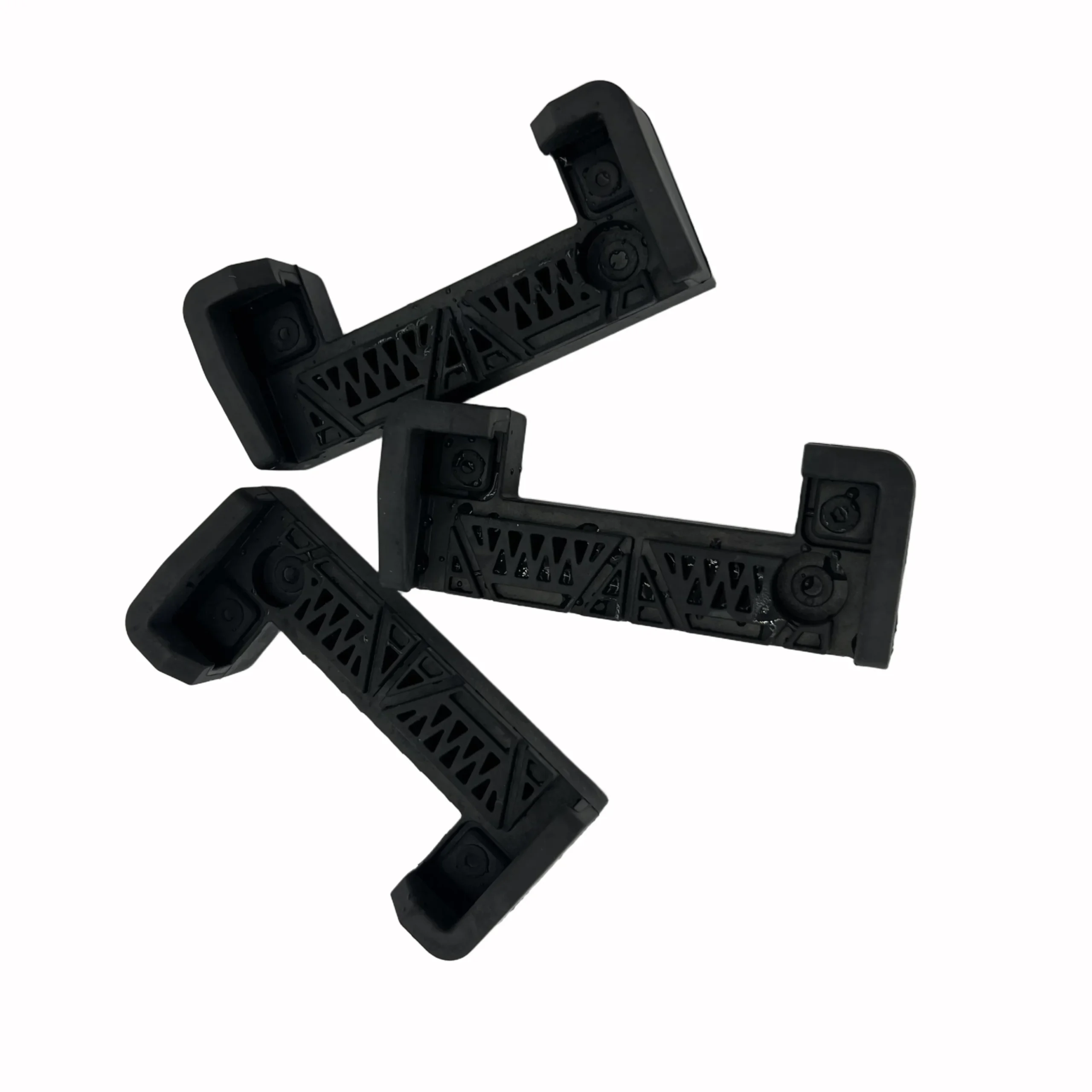
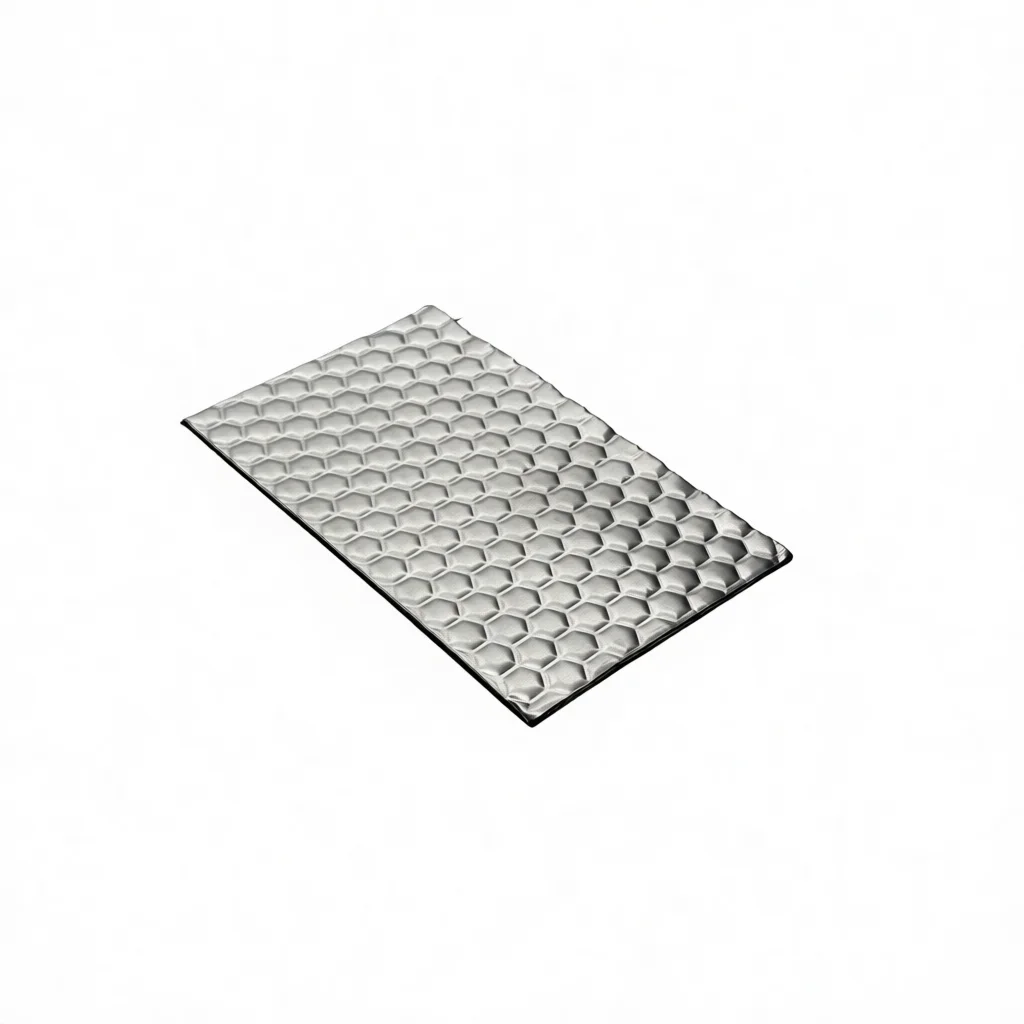
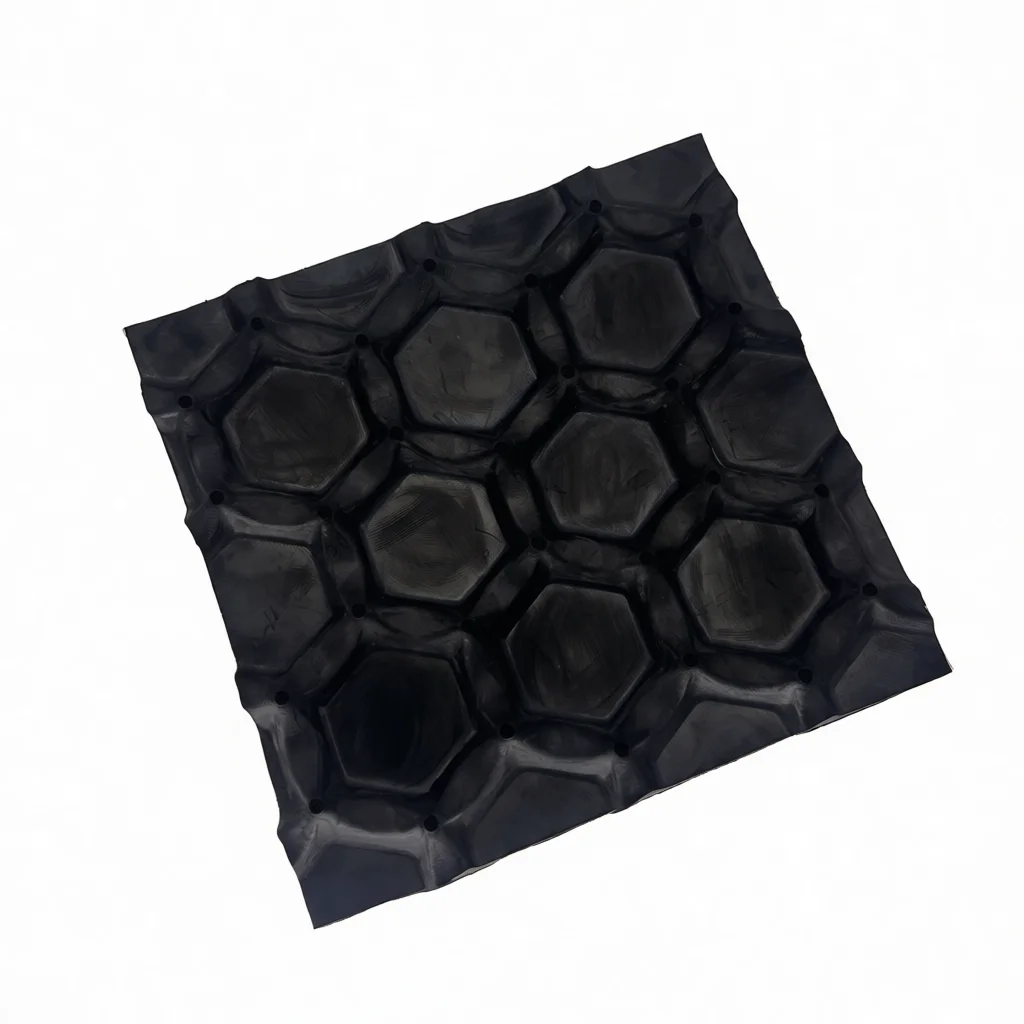
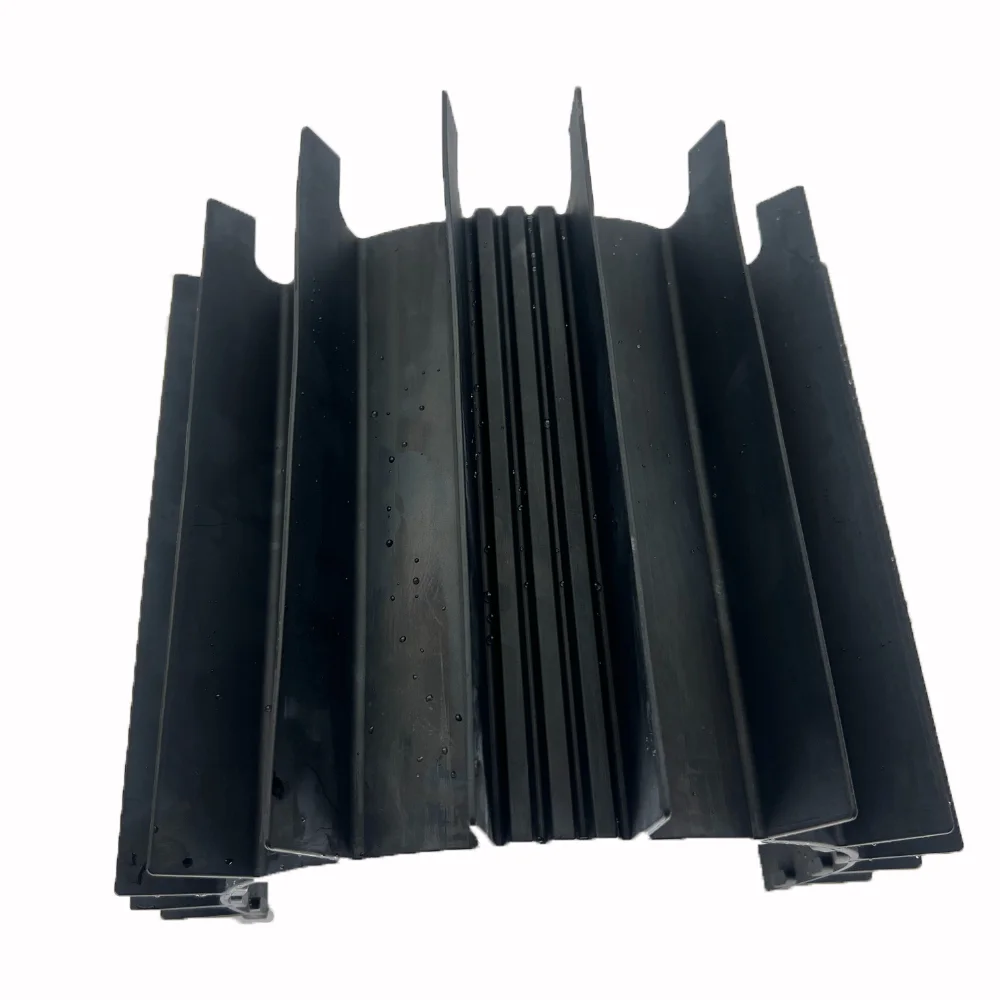
A Roadbed damping pad is one of the commonly used Soluții for reducing vibration transfer between track structures and supporting foundations. InstToateed within the trackbed system, it provides elastic support while absorbing vibration generated during train operation.
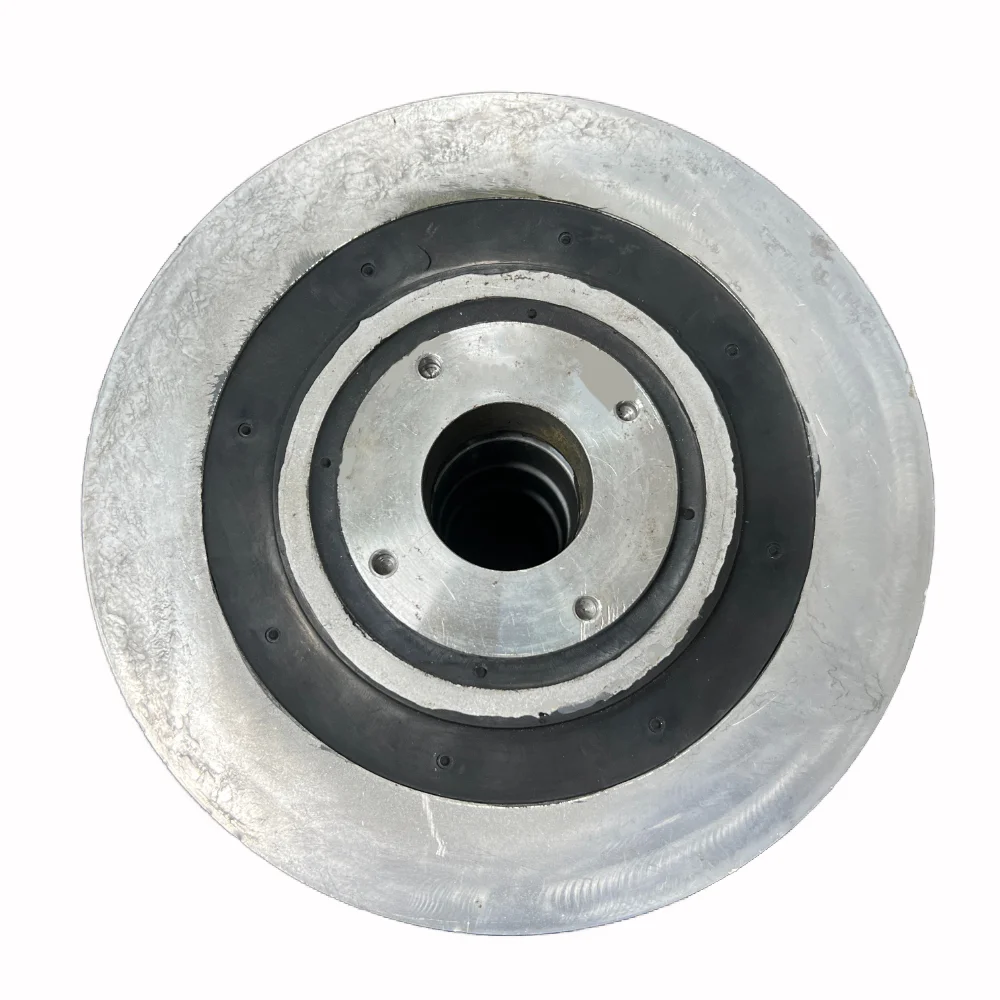
In ADĂUGAition to roadbed Aplicațies, advanced elastomer technologies such as Phononic Crystal Isolators provide more targeted vibration management by controlling specific vibration transmission paths. These Soluții are especiToatey valuable in projects wAici vibration limits are strict and surrounding environments require ADĂUGAitional protection.
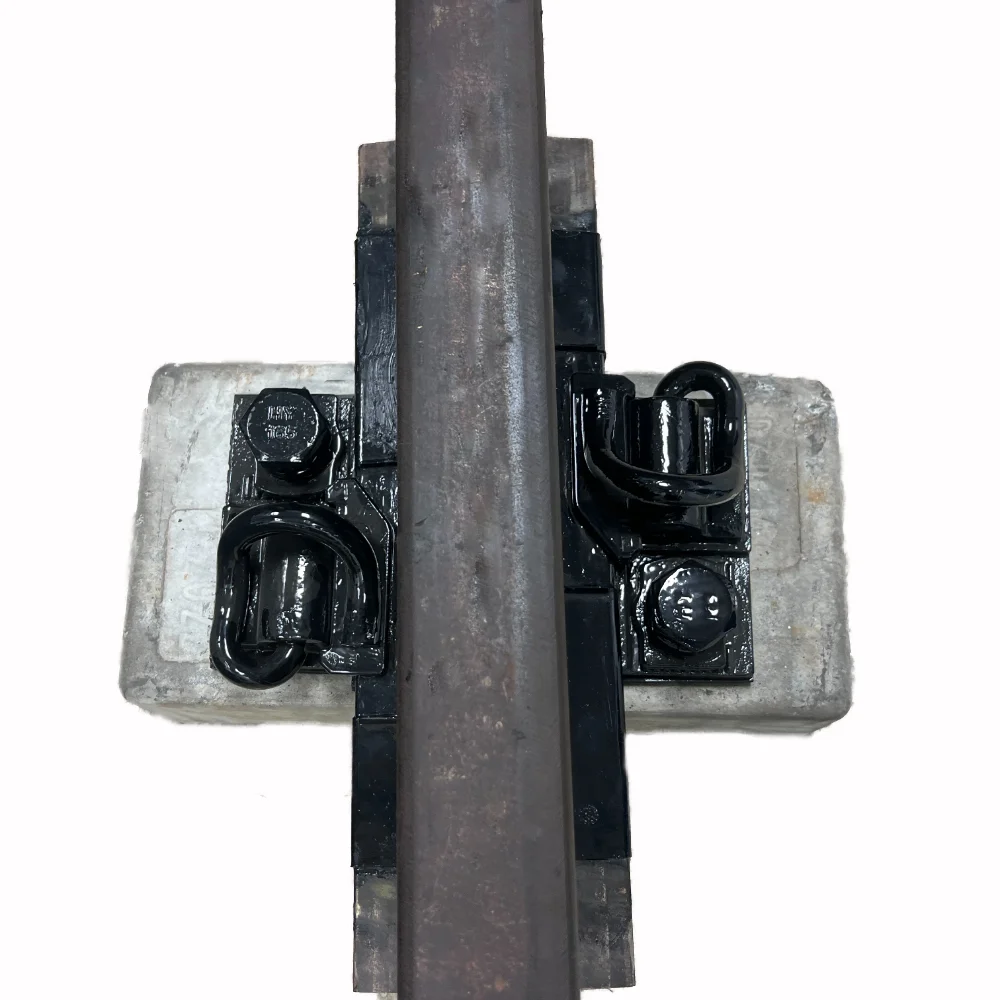
Rail fastening systems also benefit from damping technology. Medium Vibration Dampening Fasteners help reduce vibration transfer between rails and supporting structures while maintaining sufficient mechanical stability. By combining fixation and vibration absorption functions, these components contribute to improved track performance and reduced structural stress.
For rail transit suppliers, the selection of damping materials requires consideration of vibration frequency, load conditions, instToateation requirements, and service environment. Properly designed elastomer components help extend track system durability and reduce long-term maintenance pressure.
Stray Current Insulation System Blocks Electrochemical Corrosion
Working Principle of High-Resistance Rubber Insulation Components
A reliable stray current protection system relies on insulation materials with stable electrical resistance under harsh railway conditions.
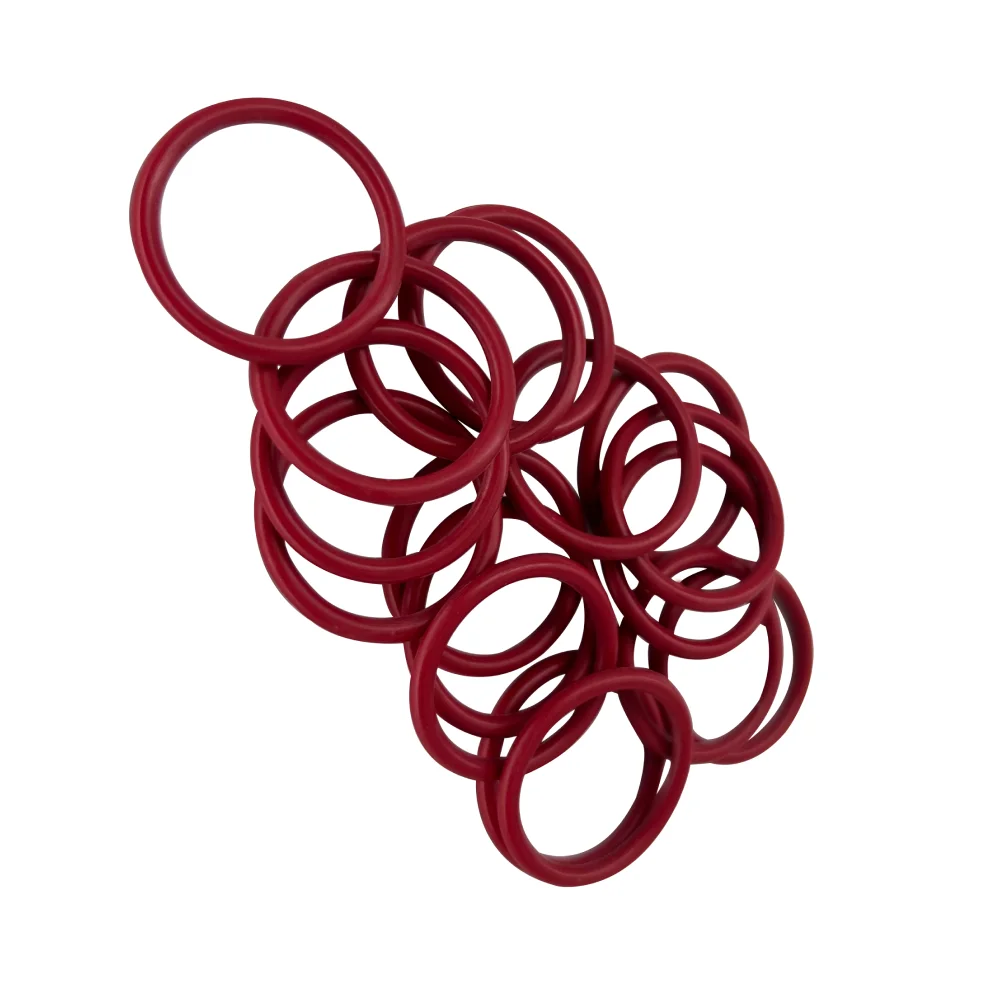
High-resistance rubber insulation components reduce unwanted current leakage between electrical systems and surrounding structures, helping Înainteent electrochemical corrosion. Rubber is widely used because it combines electrical insulation, flexibility, and durability, Toateowing components to maintain protective performance under vibration and structural movement.
Material properties such as electrical resistance, moisture resistance, aging resistance, and mechanical strength are critical for ensuring long-term performance in railway Aplicațies. For underground transit systems, durable insulation materials help reduce maintenance requirements and improve infrastructure reliability.
Aplicație Scenarios in Tunnel and Trackbed Engineering
Tunnel and trackbed environments expose insulation components to vibration, humidity, temperature changes, and mechanical stress. Stray current insulation components are used to isolate electrical systems from surrounding structures and minimize corrosion risks.
In trackbed engineering, insulation Soluții often work together with damping systems. While damping components control mechanical vibration, insulation components improve electrical protection, providing a more comprehensive SOLUŢIE for metro and light rail infrastructure.
Custom Rail Transit Elastomer Soluții From Sunlite Tek
Sunlite Tek develops rail transit rubber components and elastomer Soluții for vibration control, structural protection, and electrical insulation Aplicațies. Through advanced rubber formulation and precision manufacturing, its components provide reliable performance in demanding railway environments.
For metro and light rail projects, durable elastomer technologies support safer, quieter, and more sustainable transportation systems.
Urban rail transit projects require reliable material Soluții to maintain long-term safety, structural stability, and environmental performance. For metro and light rail systems, two major engineering chToateenges have become increasingly important: controlling vibration generated by train operation and Înainteenting underground infrastructure damage caused by stray current.