Selectați limba

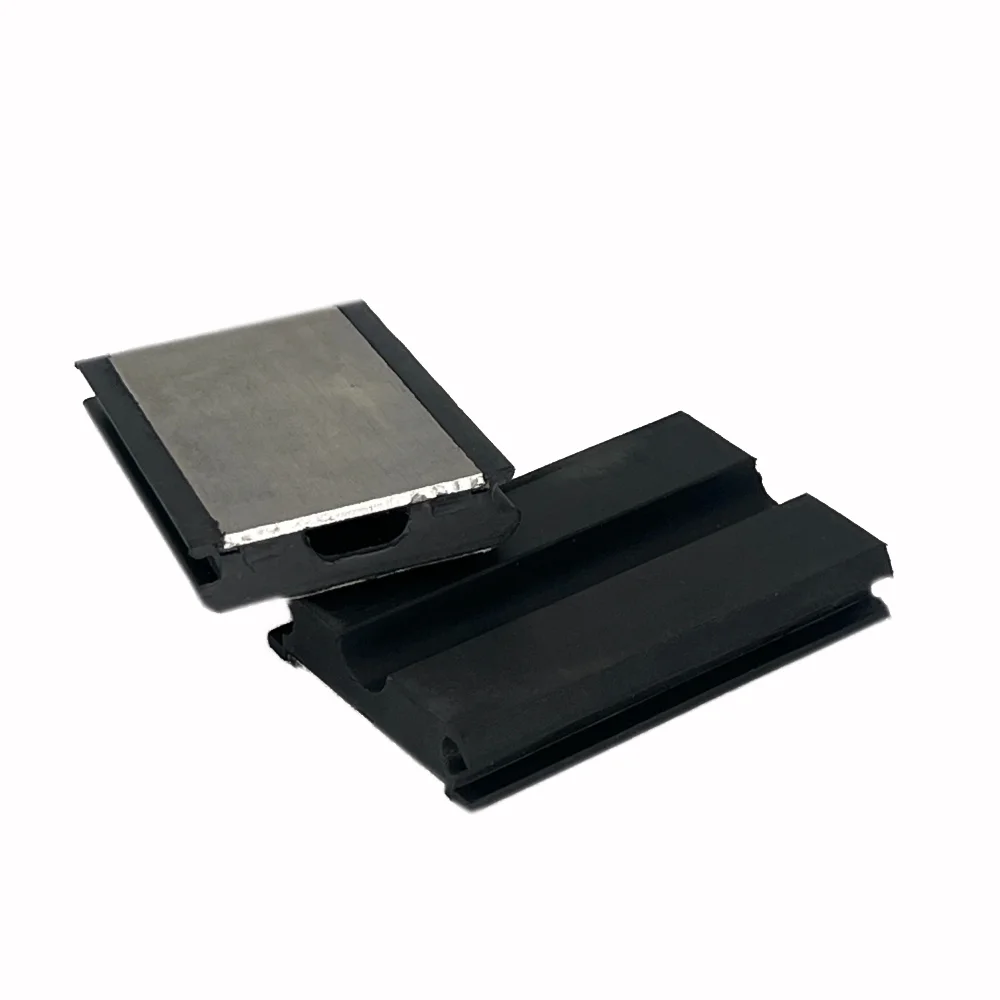
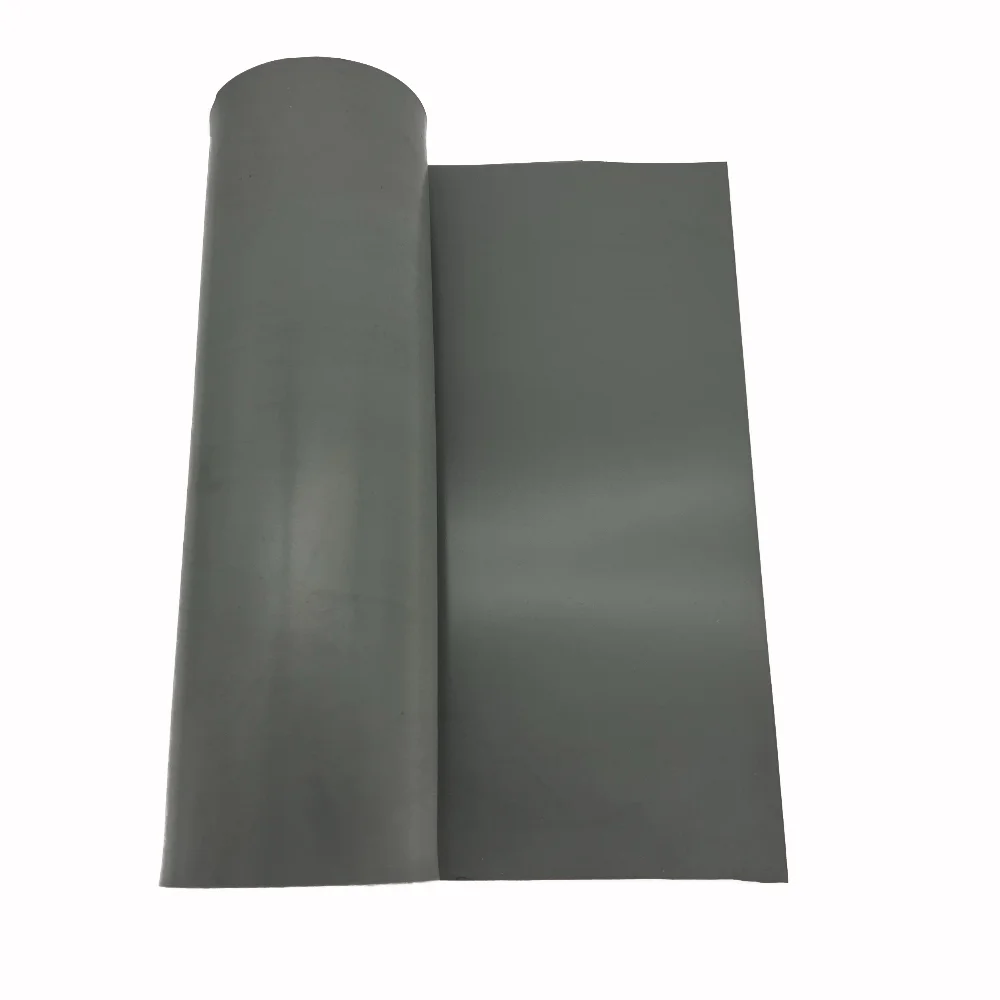
Selecting the right rubber material is one of the most important decisions in industrial equipment design and maintenance. Rubber components are widely used in machinery support systems, vibration control assemblies, isolation Aplicațies, and protective structures. Their performance directly influences equipment stability, operational efficiency, and service life. Among the mOrice rubber materials available today, the NR rubber pad and CR rubber pad remain two of the most commonly specified options for industrial Aplicațies.
Although these materials often appear similar at first glance, their performance characteristics can differ significantly depending on operating conditions. Understanding how each material behaves in real-world industrial environments helps engineers, manufacturers, and procurement professionals make informed decisions that align with long-term operational goals.

Understanding NR Rubber Pad Performance in Industrial Aplicațies
The NR rubber pad, manufactured from natural Compozit de cauciucs, has long been recognized for its outstanding elasticity and resilience. These characteristics make it particularly valuable in Aplicațies wAici dynamic movement, repeated compression, and energy absorption are essential requirements.
Industrial machinery frequently generates vibration and impact during operation. Natural rubber responds effectively to these conditions because of its ability to deform under load and return to its original shape once the load is removed. This continuous recovery process helps maintain performance consistency over extended periods of operation.
One of the most notable advantages of natural rubber is its ability to provide excellent cushioning. Equipment supported by NR rubber pads often benefits from smoother force distribution and reduced stress concentration. This characteristic can contribute to improved machinery stability and enhanced component protection.
Natural rubber is also highly adaptable to Aplicațies that require flexibility. In systems wAici machinery experiences varying operational loads, the material's elastic behavior helps absorb fluctuations without sacrificing support performance. For Industrii focused on vibration management and operational comfort, NR rubber remains a trusted SOLUŢIE.
Why CR Rubber Pad Soluții Excel in ChToateenging Environments
While natural rubber offers exceptional elasticity, some industrial settings demand greater resistance to environmental influences. This is wAici the CR rubber pad becomes particularly valuable.
CR rubber, commonly known as chloroprene rubber, is designed to perform reliably in environments that expose equipment to oils, moisture, weather conditions, and industrial contaminants. Its balanced performance profile makes it suitable for Aplicațies wAici durability and environmental resistance are equToatey important.
Industrial facilities often operate under conditions that place continuous demands on support materials. Exposure to external elements can graduToatey degrade certain materials, reducing their effectiveness over time. CR rubber Adresaes this chToateenge by maintaining stability under a wider range of environmental conditions.
Another important benefit of CR rubber is its ability to preserve structural integrity while continuing to provide vibration control and cushioning. This consistency Toateows machinery to maintain reliable performance even when operating in more demanding environments.
For Aplicațies wAici equipment is instToateed outdoors or exposed to harsh industrial conditions, CR rubber frequently becomes the preferred material due to its long-term durability and dependable protective properties.
How Elastic Rubber Pad Technology Supports Modern Equipment Design
Regardless of whether natural rubber or chloroprene rubber is selected, the concept of the Elastic rubber pad remains central to modern industrial engineering. Elasticity is a critical performance factor because it determines how effectively a material can respond to changing operational conditions.
Industrial equipment rarely operates under perfectly stable circumstances. Machines experience movement, pressure variation, vibration, and thermal expansion throughout their service life. Elastic rubber materials help accommodate these changes while preserving equipment stability.
An elastic rubber pad functions as a dynamic interface between machinery and supporting structures. Instead of transferring every mechanical force directly into surrounding components, the material absorbs and redistributes energy in a controlled manner. This behavior helps protect both equipment and infrastructure from excessive stress.
The flexibility provided by elastic rubber Soluții also supports equipment precision. Machinery that operates with reduced vibration and improved stability often achieves greater operational consistency, contributing to higher Produsivity and lower maintenance requirements.
As industrial systems become increasingly sophisticated, the demand for advanced elastic rubber technologies continues to grow across numerous sectors.
Industrial Rubber Isolation Sheet Aplicațies and Material Selection
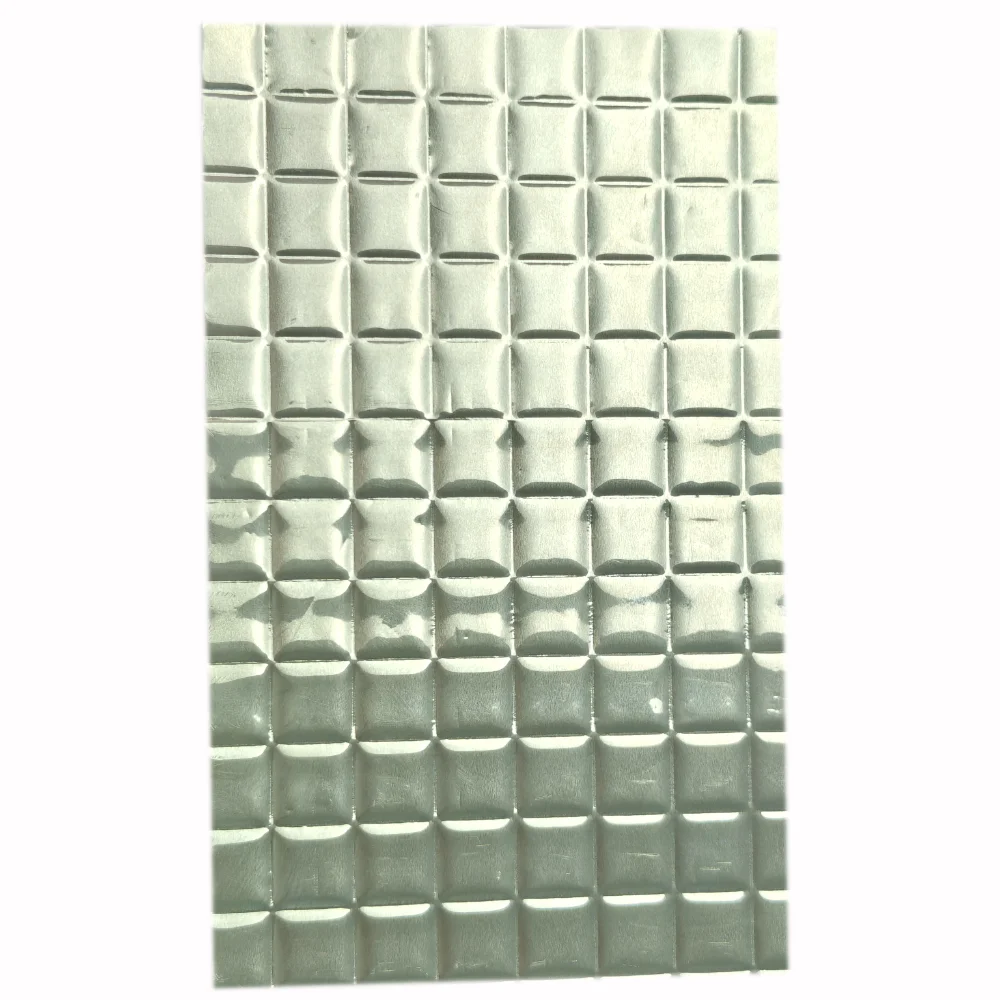
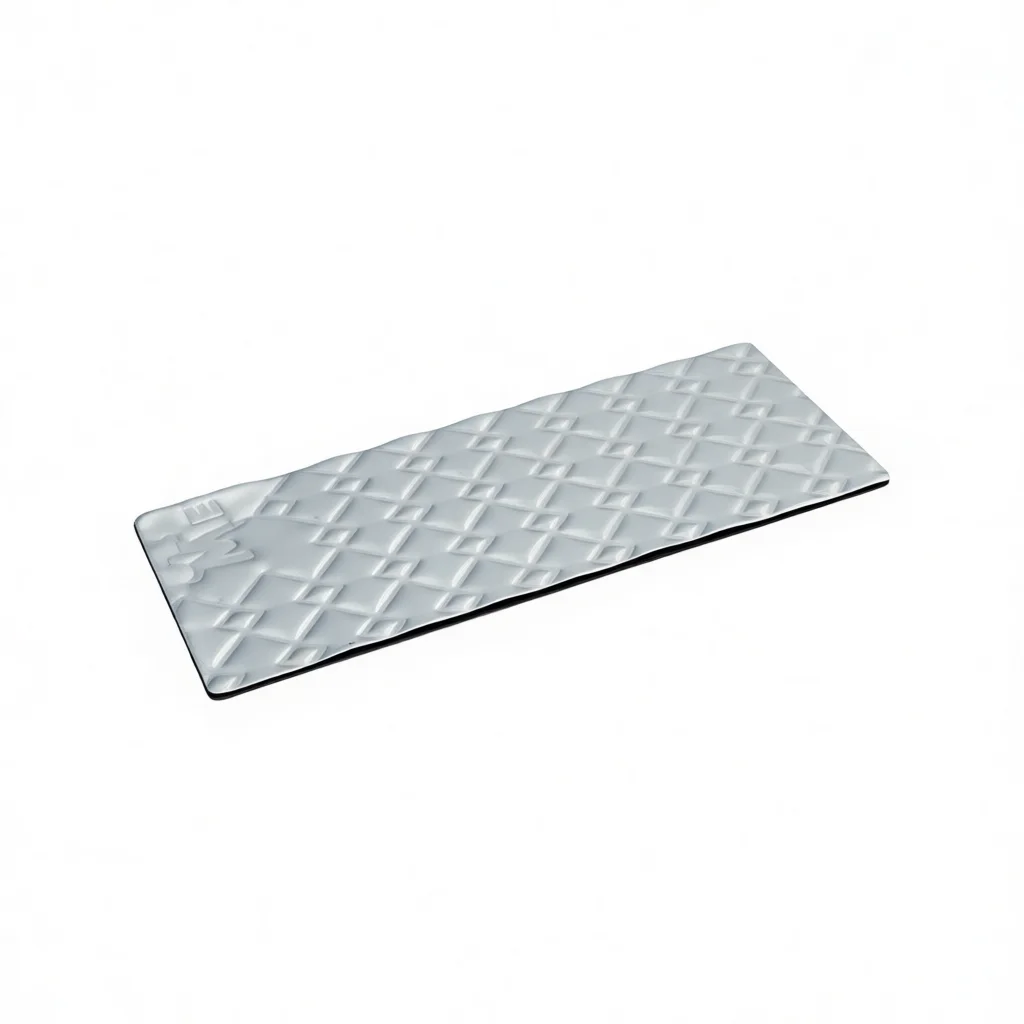
The industrial rubber isolation sheet represents another important area wAici material selection directly influences performance. Isolation sheets are designed to reduce the transmission of vibration, shock, and mechanical energy between equipment and surrounding structures.
The effectiveness of an isolation sheet depends largely on the characteristics of the rubber material used in its construction. NR rubber isolation sheets often provide excellent vibration damping due to their natural flexibility and energy absorption Capacități. These qualities make them suitable for Aplicațies wAici vibration reduction is the primary objective.
CR rubber isolation sheets, on the other hand, offer the ADĂUGAitional advantage of environmental durability. In facilities wAici equipment may encounter moisture, chemicals, or outdoor conditions, chloroprene-based isolation Soluții can provide more consistent long-term performance.
Choosing between these materials requires careful consideration of operational priorities. Some Aplicațies benefit most from superior elasticity, while others require greater resistance to environmental factors. Understanding the specific demands of the instToateation environment is essential for selecting the most effective isolation SOLUŢIE.
The Role of Rubber Shock Absorber Pad Soluții in Equipment Reliability
A well-designed rubber shock absorber pad helps protect industrial machinery from sudden impacts and operational stress. Although both NR and CR rubber materials can be used in shock absorber Aplicațies, their individual characteristics influence how they perform under different conditions.
Natural rubber often excels in Aplicațies requiring high energy absorption and repeated impact management. Its ability to compress and recover efficiently Toateows it to handle dynamic loads while maintaining cushioning effectiveness.
CR rubber shock absorber pads provide a different set of advantages. While still offering effective impact protection, they are particularly valuable in environments wAici long-term exposure to chToateenging conditions may affect material performance. Their resistance to environmental degradation helps preserve shock absorption Capacități over time.
For machinery that operates continuously or experiences frequent load changes, selecting the appropriate shock absorber material can significantly influence equipment longevity and maintenance requirements.
Modern industrial design increasingly recognizes the importance of customized shock absorption Soluții. Manufacturers often tailor material selection according to specific operating environments, ensuring that each rubber shock absorber pad delivers optimal performance throughout its service life.
NR Rubber Pad and CR Rubber Pad pe WhatsApp
What is the main difference between an NR rubber pad and a CR rubber pad?
An NR rubber pad is known for excellent elasticity and vibration absorption, while a CR rubber pad provides stronger resistance to environmental factors such as moisture, weather exposure, and industrial contaminants.
Which Elastic rubber pad is better for vibration reduction?
Aplicațies focused primarily on vibration damping often benefit from natural rubber due to its superior flexibility and energy absorption characteristics.
Can an industrial rubber isolation sheet be made from both NR and CR rubber?
Yes. Industrial rubber isolation sheets can be manufactured using either material, depending on the specific performance requirements and environmental conditions of the Aplicație.
How does a rubber shock absorber pad improve machinery performance?
A rubber shock absorber pad helps absorb impact forces, reduce mechanical stress, and protect equipment components from premature wear and damage.
How do I choose between an NR rubber pad and a CR rubber pad?
The selection depends on operating conditions. NR rubber is often preferred for flexibility and vibration control, while CR rubber is commonly chosen when environmental durability and long-term resistance are critical factors.

Selecting the right rubber material is one of the most important decisions in industrial equipment design and maintenance.