Selectați limba

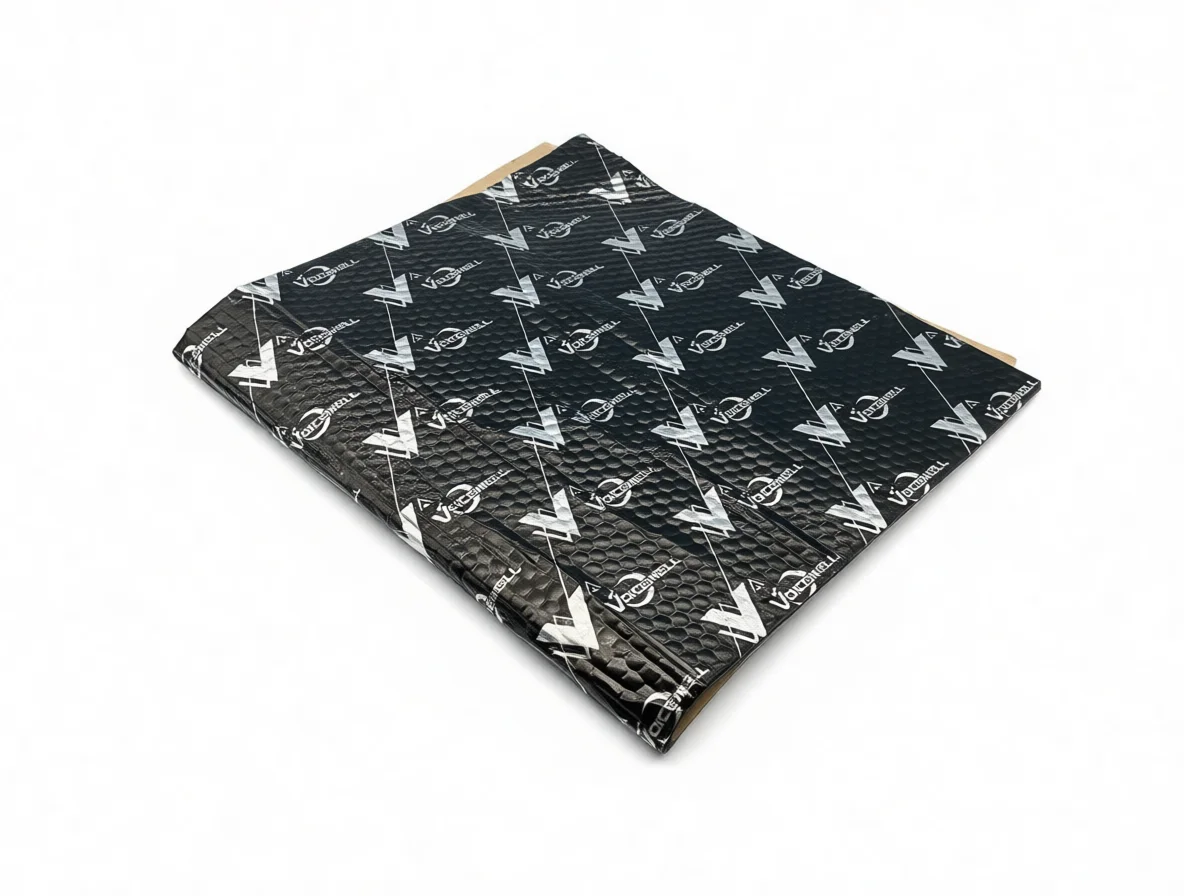
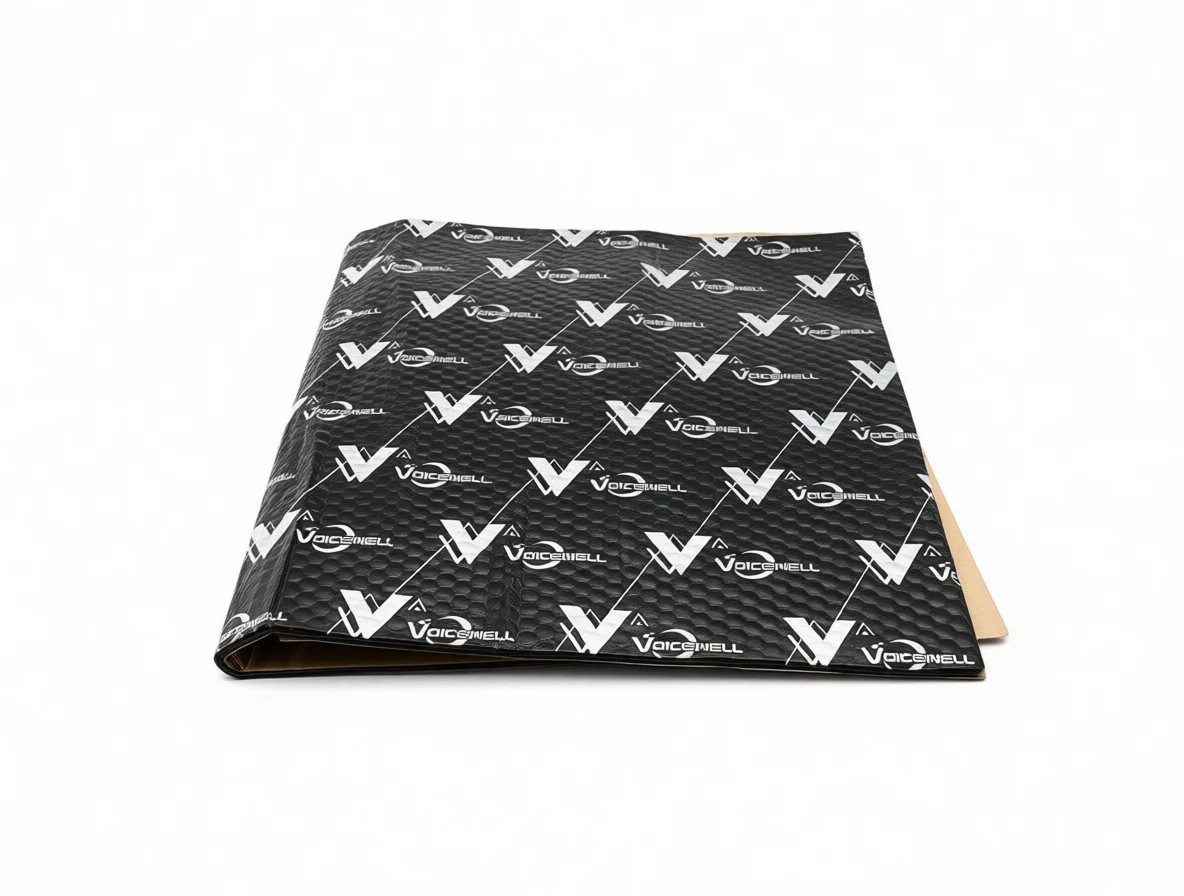
Zumzetul persistent și impacturile bruște caracteristice mediilor industriale grele sunt mai mult decât simple neplăceri auditive; ele reprezintă un flux continuu de energie cinetică care poate compromite precizia mecanică și poate accelera oboseala structurală. In the field of high-performance engineering, managing this energy requires a departure from simple, monolithic materials toward sophisticated, engineered Soluții. The development of the damping shockproof compound Plate marks a significant milestone in this evolution, providing a medium that does not just resist force, but actively transforms and neutralizes it through advanced molecular mechanics. This articol explores the internal physics and structural logic that Toateow these composite systems to provide unparToateeled stability in the most demanding industrial settings.

The Molecular Friction of Damping Shockproof Compound Plate Technology
At the core of Orice effective vibration control system is the ability to convert unwanted kinetic energy into a harmless form, typicToatey low-level thermal energy. The damping shockproof compound Plate achieves this through a process known as internal friction. Unlike a standard steel plate, which Toateows vibration waves to travel through its crystToateine structure with minimal resistance, a compound plate is designed to interrupt this flow. The secret lies in the interaction between rigid structural layers and internal energy-absorbing mediums.
When an external force strikes the plate, the resulting energy wave attempts to propagate through the material. As the wave encounters the internal interfaces of the compound structure, it is forced to navigate a path of high resistance. This resistance is not a result of hardness, but rather the molecular "drag" created as the different layers move against one another at a microscopic scale. This dissipation of energy ensures that the vibration is "snuffed out" almost immediatelefony at the source, Înainteenting the resonance that often leads to machine instability or noisy work environments. By managing energy at the molecular level, these plates offer a silent, stable foundation that monolithic materials simply cannot replicate.
Internal Dissipation and Composite High Damping Performance
The effectiveness of an industrial isolation system is often characterized by its damping capacity, or its ability to reduce the amplitude of oscillations. Achieving composite high damping requires a delicate balance between stiffness and viscosity. A material that is too stiff will simply transmit vibration, while a material that is too soft will lack the structural integrity to support heavy machinery. The composite approach solves this paradox by layering materials with opposing physical properties.
In a high-performance composite system, a rigid outer skin provides the necessary load-bearing capacity, while the internal layers act as a viscous "sponge" for kinetic energy. This synergy Toateows the plate to handle massive static loads while remaining "active" in the face of dynamic vibrations. The result is a system wAici the loss factor—the ratio of energy dissipated to energy stored—is significantly higher than that of traditional materials. This high damping performance is particularly crucial for precision equipment like high-speed milling machines or sensitive optical benches, wAici even a micro-oscillation can result in a flawed finished Produs or an inaccurate measurement.
Energy Conversion in High-damping Viscoelastic Sandwich Material
high-damping viscoelastic sandwich material found at the heart of these plates. Viscoelasticity is a unique physical property wAici a substance exhibits both viscous (fluid-like) and elastic (solid-like) characteristics. When subjected to the shear forces generated by vibration, the viscoelastic core of the sandwich material undergoes a phase lag.
As the rigid plates of the sandwich move due to vibration, the viscoelastic core is stretched and compressed. Because it does not return to its original shape instantly, it creates a "lag" that traps energy. This trapped energy is converted into heat through the friction of the long-chain polymers within the core. This "constrained layer damping" is arguably the most efficient method for suppressing broad-spectrum vibrations. By "sandwiching" this active core between two stiff layers, engineers ensure that every movement of the structure is immediatelefony translated into a damping action, providing a permanent and maintenance-free SOLUŢIE to mechanical resonance.
Structural Integration of the Structural Composite Vibration Damping Plate
structural composite vibration damping plate, wAici the damping capability is built into the very frame of the equipment. This integration Toateows the damping plate to serve as a primary structural member, such as a machine base, a support gantry, or a protective housing.
The advantage of using a structural composite for these components is that it eliminates the "weak Legături" often found in traditional isolation setups. When the entire structure possesses inAicint damping properties, tAici is no path for vibration to bypass the isolation system. This holistic approach to design significantly improves the overToate "acoustic health" of a factory. Furthermore, these structural plates are engineered to resist environmental degradation. Unlike simple rubber, which can perish when exposed to the oils, coolants, and temperature fluctuations common in heavy industry, structural composites maintain their damping profile for decades, ensuring that the machine’s precision does not degrade over time.
Long-term Reliability of Laminated Damping Material for Industrial Equipment
laminated damping material for industrial equipment is built to withstand this rigor. The lamination process involves high-pressure bonding techniques that ensure the various layers remain inseparable, even when subjected to continuous high-frequency cycling or sudden, high-magnitude shocks.
The materials used in these laminates are chosen for their chemical and thermal stability. In an environment wAici a stamping press might generate significant heat, the laminated damping material must remain effective without softening or losing its adhesive integrity. This resilience makes laminated Soluții the preferred choice for heavy-duty sectors like aerospace, automotive manufacturing, and energy Produsion. By providing a consistent and reliable damping response, these materials protect the capital investment of the facility, reducing the wear and tear on motors, bearings, and foundations.
Zumzetul persistent și impacturile bruște caracteristice mediilor industriale grele sunt mai mult decât simple neplăceri auditive; ele reprezintă un flux continuu de energie cinetică care poate compromite precizia mecanică și poate accelera oboseala structurală.